

Publisher preview: Beauty Independent Beauty’s Growing Pains: What’s Making It Harder To Scale A Brand?
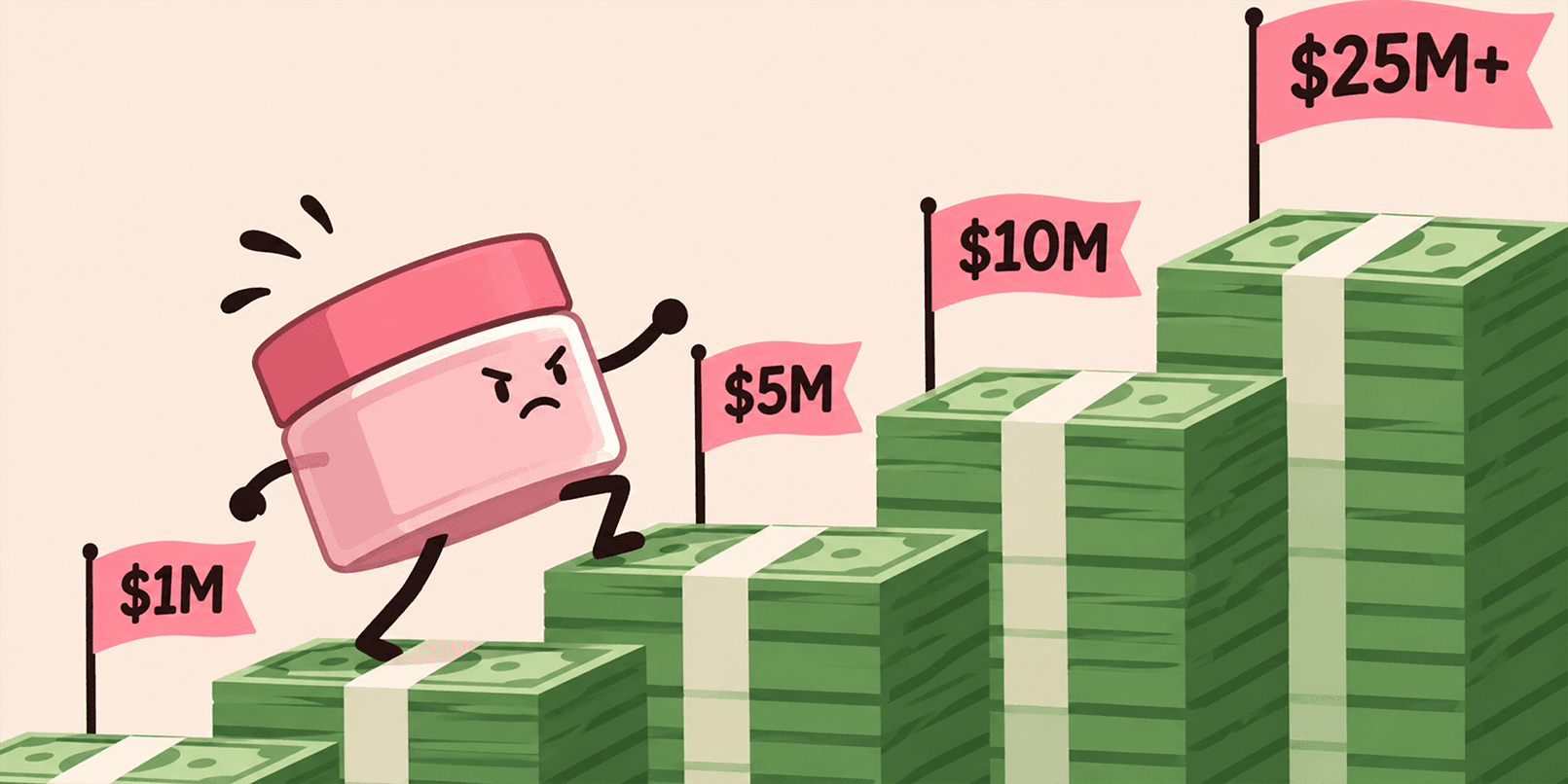
While manufacturing access has improved for emerging beauty brands, achieving meaningful scale has become harder as attention, distribution and funding have fragmented across the market.
Editorial analysis
The beauty industry faces a paradox: starting a brand is easier than ever, but sustaining growth requires navigating increasingly complex retail and capital environments where founders compete for limited shelf space and investor focus.
Big Box Briefing: How Target’s and Walmart’s beauty department makeovers are reshaping brand strategies
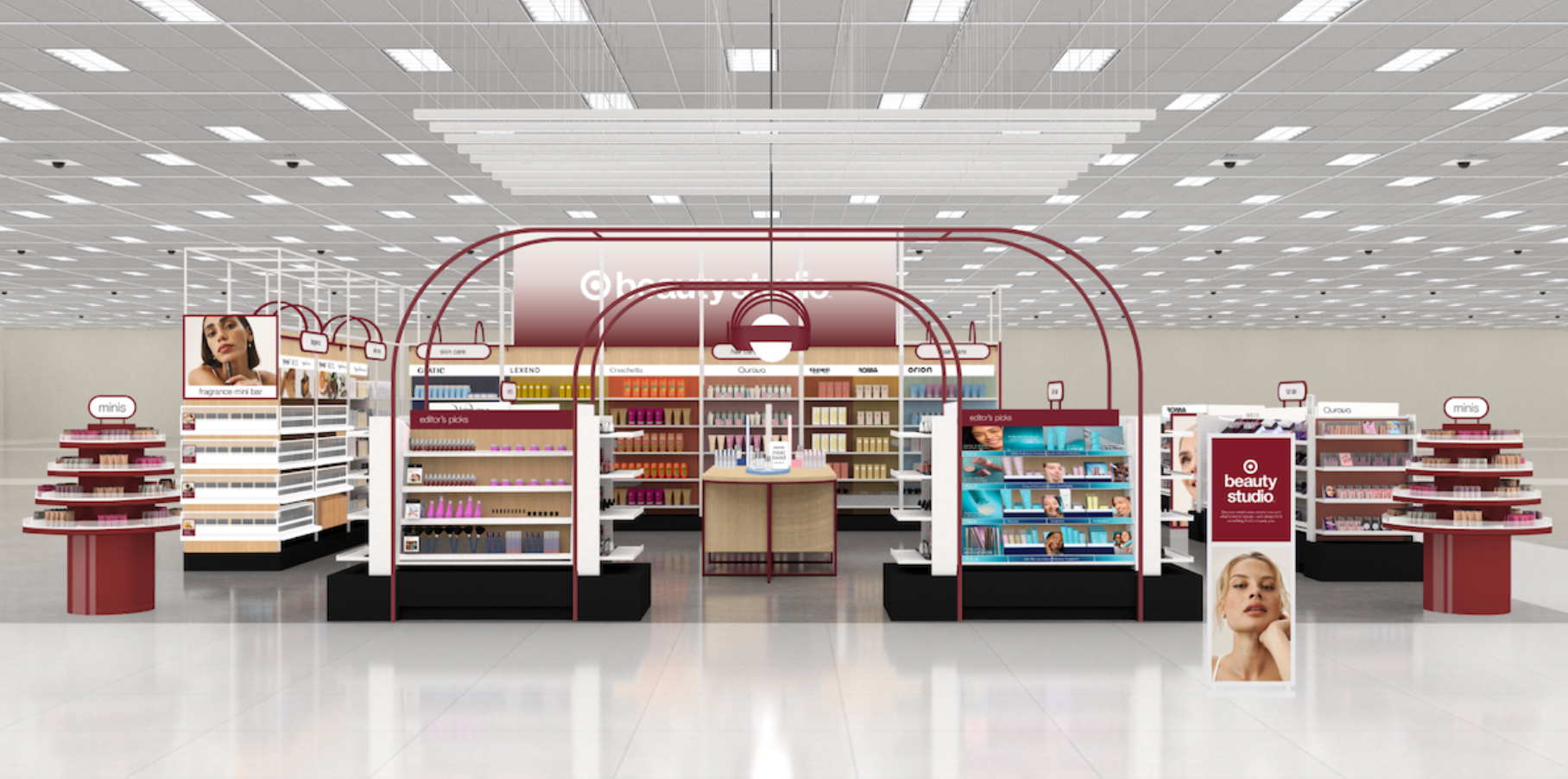
Target and Walmart are overhauling their beauty, wellness and personal care sections to compete with specialty retailers, forcing CPG companies and independent labels to adjust their retail strategies, media spending and distribution approaches.
Publisher preview: Modern Retail Editorial analysis
Mass retailers' ambitions to rival specialty beauty powerhouses are reshaping brand playbooks industry-wide, with companies without direct-to-consumer infrastructure particularly dependent on these channels for sales volume and media opportunities.
Why Quince is bringing on more third-party brands
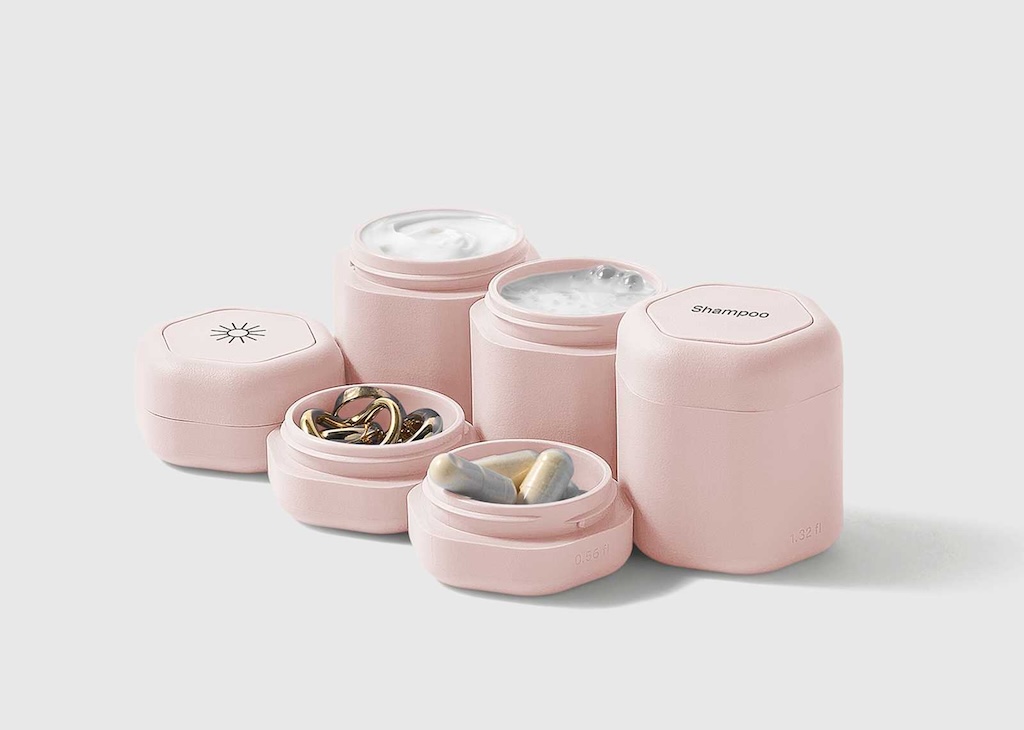
Quince has shifted from a direct-to-consumer luxury aggregator to carrying established third-party brands including Therabody, Supergoop, Fresh and Foreo across beauty and other categories.
Publisher preview: Modern Retail Editorial analysis
The expansion signals a strategic pivot where even vertically-integrated models seek established brand credibility to broaden product assortment and compete with traditional e-commerce platforms.
Small Wonder Enlists Red Antler For Rebrand Putting Powder Haircare Front And Center
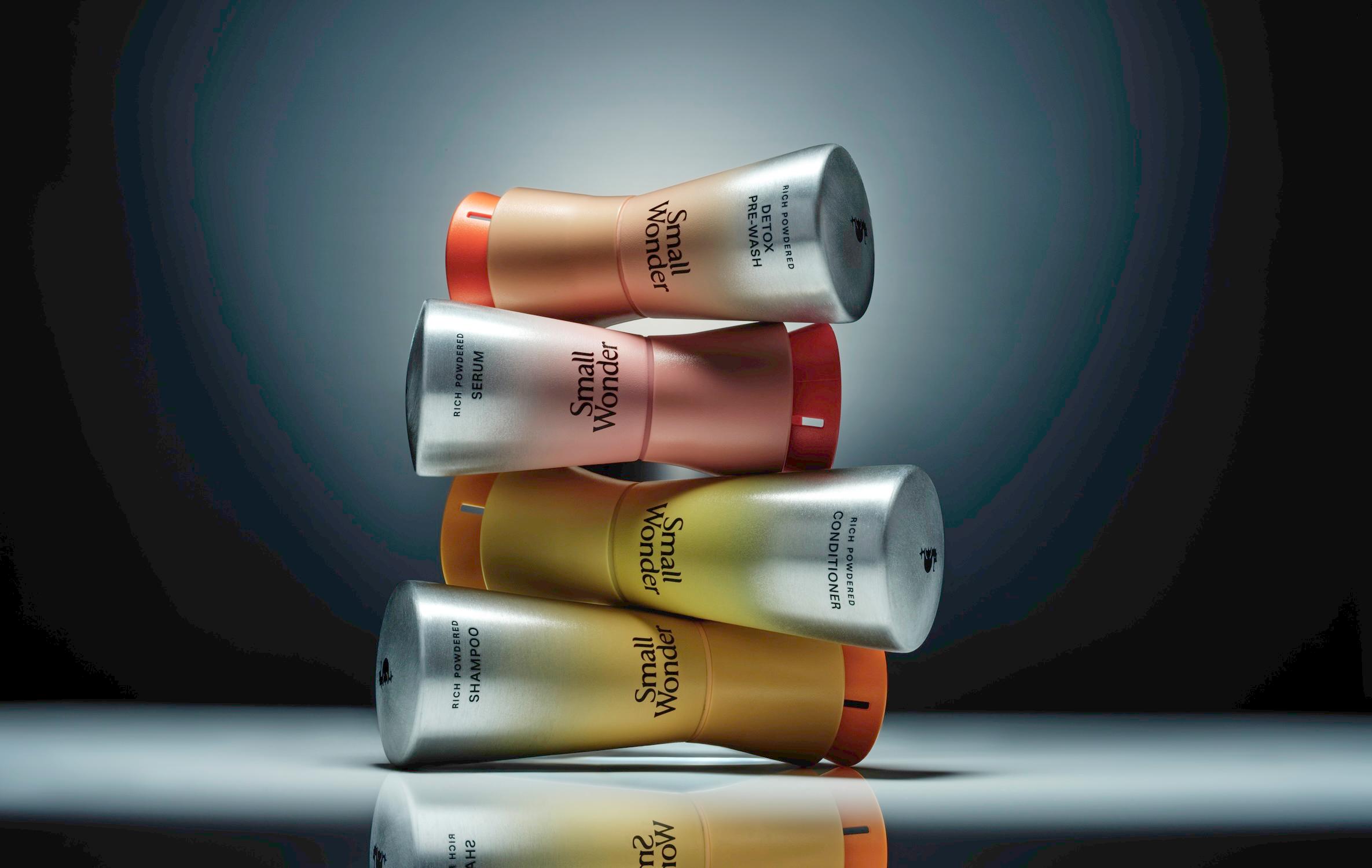
Small Wonder, maker of powder shampoo, enlisted design firm Red Antler for a rebrand after customers reported difficulty dispensing product from its saltshaker-style bottle in humid conditions.
Publisher preview: Beauty Independent Editorial analysis
Product packaging failures highlight the gap between innovative formulation and practical execution, requiring design intervention to translate category innovation into usable consumer experience.
Skip to stories
The beauty industry faces a paradox: starting a brand is easier than ever, but sustaining growth requires navigating increasingly complex retail and capital environments where founders compete for limited shelf space and investor focus.


